
Is training forearms worth it?
If your grip stops your pulls, yes. If not, it is the first thing to cut.
What they already get for free
Forearms work in everything you hold: rows, pull-ups, deadlifts, curls, carries. In a programme with heavy pulling, the finger flexors take plenty of work that never shows up on any sheet. Which is why plenty of people have forearms without ever training them directly.
When it is worth it
Two good reasons. One: grip is your limit, you let go of the bar before your back is done. Two: you want the look, which is a perfectly valid reason and does not need dressing up as performance. Either way, two or three sets at the end of a pulling day is plenty.
What to do, briefly
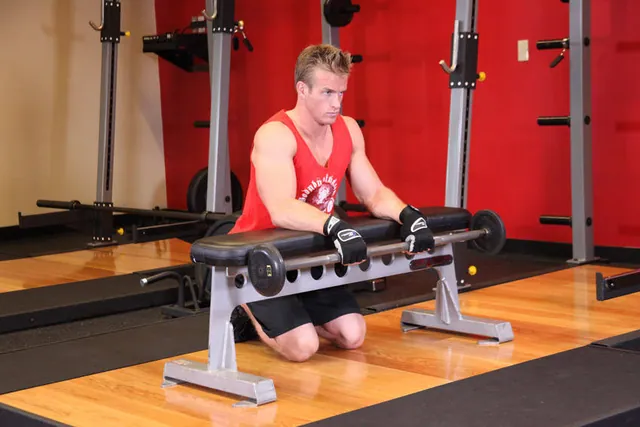
Seated wrist curls with a bar or dumbbells for the flexors, and reverse curls or wrist extensions for the extensors — the ones almost nobody trains and the ones that complain at the elbow. High reps, 12-20: it is a small muscle with short tendons, and at low reps what shows up first is the ache.
And grip, which is not the same thing
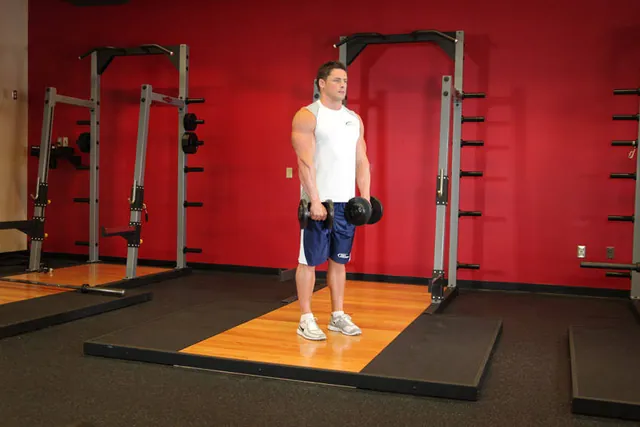
Hanging from a bar is grip endurance, not forearm size. If you want to stop dropping the bar, hang or carry; if you want forearms, flex the wrist.
More on Hypertrophy
How many sets a muscle needs per week
The number that decides whether you grow. Not four, not forty.
Close to failure, not always to failure
What RIR is, why you leave one or two reps in the tank, and when to push.
Progress without stalling: double progression
When to add weight, when to add reps, and why not both at once.
How long to rest between sets
Two minutes is not a quirk: it is the reps on your next set.
Once a week per muscle is not enough
Why splitting your volume over two or three days beats one hammering.
Protein: how much and how to spread it
The daily total is what matters. The exact timing, far less than you hear.
This is general information written from the training literature, not medical advice or a personalised plan. If you take medication, have a health condition or something genuinely hurts, the person to ask is a healthcare professional.