
Close to failure, not always to failure
What RIR is, why you leave one or two reps in the tank, and when to push.
What RIR means
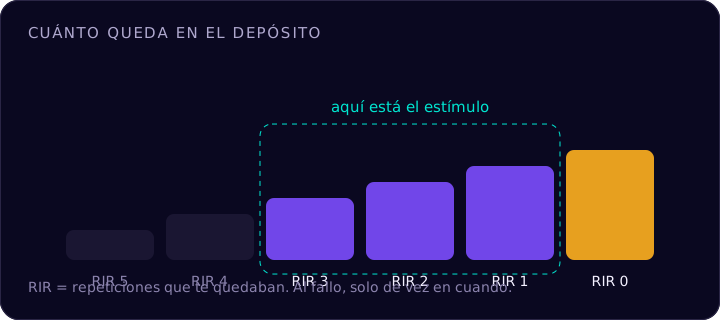
RIR is how many reps you could still have done when you racked the weight. RIR 2 means “I had two more in me”. It is the practical way to measure effort without having to hit failure to know whether the set counted: if you finish and could have done six more, that set was not training much.
Why not always to failure
Taking every set to failure does not buy much extra muscle, and it does buy a lot of fatigue — which forces you to cut volume or load on the following sets, and sometimes on the following session. Most of your work goes better at RIR 1 to 3, and that lets you fit more hard sets into the week.
Where to push
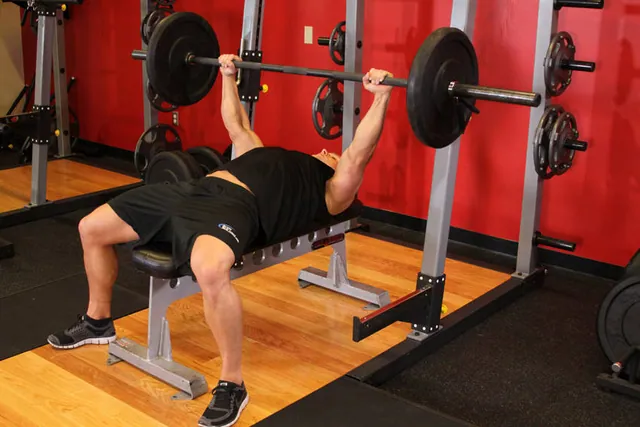
Machines and isolation work take failure well: the technical risk is low and the fatigue they leave is local. On heavy barbell lifts (squat, deadlift) failure is exactly where form breaks and where people get hurt, so leave a couple of reps there every time.
More on Hypertrophy
How many sets a muscle needs per week
The number that decides whether you grow. Not four, not forty.
Progress without stalling: double progression
When to add weight, when to add reps, and why not both at once.
How long to rest between sets
Two minutes is not a quirk: it is the reps on your next set.
Once a week per muscle is not enough
Why splitting your volume over two or three days beats one hammering.
Protein: how much and how to spread it
The daily total is what matters. The exact timing, far less than you hear.
Stalled: what to check before switching routines
It is almost never the routine. Five things to check first.
This is general information written from the training literature, not medical advice or a personalised plan. If you take medication, have a health condition or something genuinely hurts, the person to ask is a healthcare professional.