
Heavy or light? The rep range that builds muscle
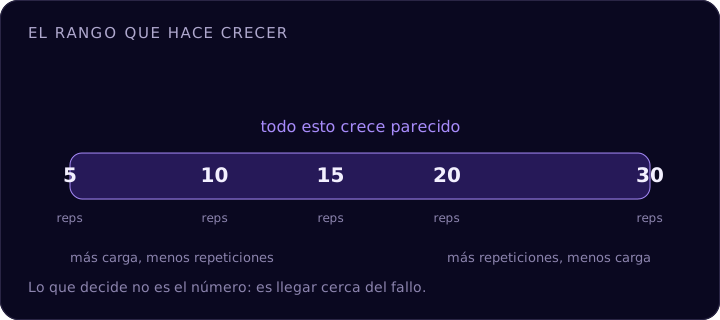
Between 5 and 30 reps you grow much the same. What changes is the price each set charges you.
The short answer
With the set taken close to failure, a muscle grows about the same at 6 reps as at 20. That is what keeps showing up when heavy and light loads are compared with effort matched. So the useful question is not which one grows more, but which one lets you stack weeks of work without breaking down or hating it.
What does change
Maximal strength does want load: if you want to lift more for one rep, you have to spend time at 3-6. And the price varies a lot: a set of 20 squats wrecks your breathing and your legs for the rest of the session, and a set of 5 taxes your lower back and joints more. Which is why the sensible move is not picking a range but splitting the work.

A split that works
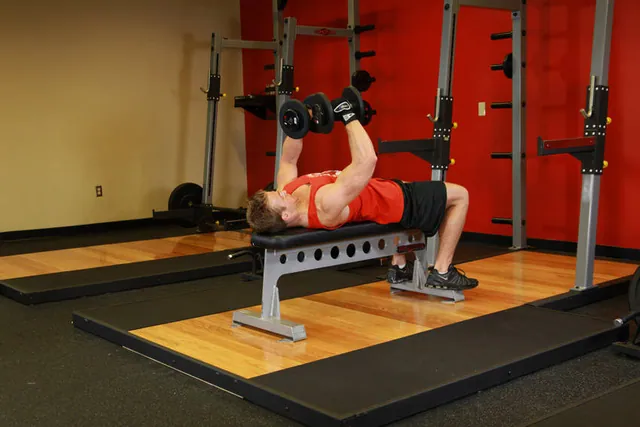
Heavy compounds at 5-8 early in the session, while you are fresh. The middle work at 8-12, where technique holds and the weight keeps going up. And whatever you do on a machine or a cable, where going close to failure is safe, at 12-20. All three add hard sets to the same muscle.
The short version
A rep range is not a religion. It is the tool that gets you close to failure with your technique intact, and that tool changes with the exercise.
More on Hypertrophy
How many sets a muscle needs per week
The number that decides whether you grow. Not four, not forty.
Close to failure, not always to failure
What RIR is, why you leave one or two reps in the tank, and when to push.
Progress without stalling: double progression
When to add weight, when to add reps, and why not both at once.
How long to rest between sets
Two minutes is not a quirk: it is the reps on your next set.
Once a week per muscle is not enough
Why splitting your volume over two or three days beats one hammering.
Protein: how much and how to spread it
The daily total is what matters. The exact timing, far less than you hear.
This is general information written from the training literature, not medical advice or a personalised plan. If you take medication, have a health condition or something genuinely hurts, the person to ask is a healthcare professional.