
Partial reps where the muscle is long
A badly chosen half rep is a wasted half rep. In the right place, it is one of the few things that genuinely adds something.
What it is and what it is not
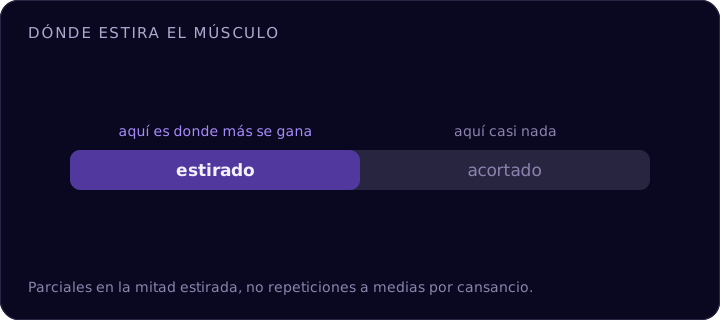
This is not about shortening the range so you can load more plates, which is the oldest mistake in the gym. It is about training the stretch: the bottom of a cross-body lateral raise, the bottom of an incline curl, the low part of a press. That is where the work seems to count for more per rep.
What the evidence says
Studies comparing lengthened partials with full range find equal or slightly better results for the long partial, and clearly worse ones for the short partial (the top half, where the muscle is contracted). They are small studies on specific exercises: enough to make a decision, not enough to rebuild your whole programme.
How to use it without making a mess
The simplest way: when a full set is done and another complete rep is not happening, carry on with two or three partials in the long range. Do not replace full range with partials — full range is also mobility, and that you lose for free.
And the warning
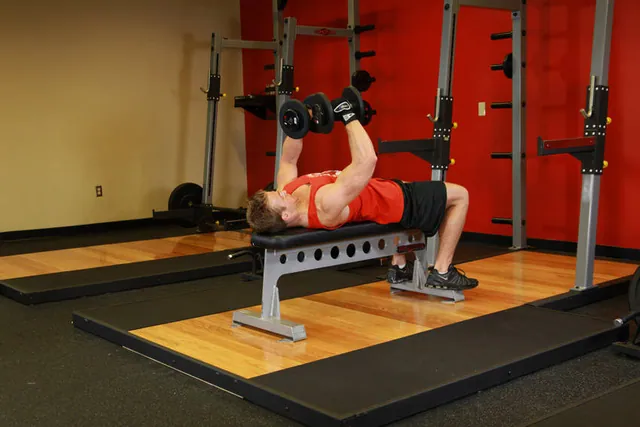
The stretched range is the one that leaves the most soreness and punishes extra volume the most. If you add partials, take away sets.
More on Hypertrophy
How many sets a muscle needs per week
The number that decides whether you grow. Not four, not forty.
Close to failure, not always to failure
What RIR is, why you leave one or two reps in the tank, and when to push.
Progress without stalling: double progression
When to add weight, when to add reps, and why not both at once.
How long to rest between sets
Two minutes is not a quirk: it is the reps on your next set.
Once a week per muscle is not enough
Why splitting your volume over two or three days beats one hammering.
Protein: how much and how to spread it
The daily total is what matters. The exact timing, far less than you hear.
This is general information written from the training literature, not medical advice or a personalised plan. If you take medication, have a health condition or something genuinely hurts, the person to ask is a healthcare professional.