
Should women train differently?
Muscle answers the same way. What changes is the goal, the starting point and recovery between sets.
What does not change
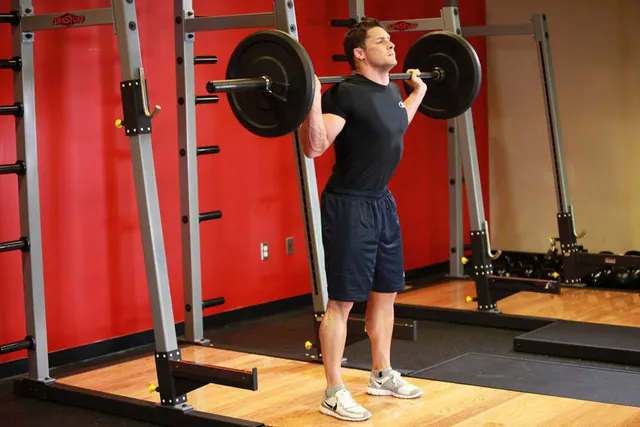
Sets needed, proximity to failure, progression and rep ranges are the same. There is no “female” training with two-kilo dumbbells and endless reps: that is just training too little. A woman training at 6-12 reps close to failure grows the same, in percentage terms, as a man doing the same.
What does change, and can be measured
Two things with reasonable support: lower-body volume is usually tolerated a little better, and recovery between sets is somewhat quicker, so two minutes where someone else needs three is enough. And absolute strength starts lower, which makes relative progress in the first year spectacular.
The goal decides the split
If what you want is glutes and legs, that is where the sets go — not because it is “the girls' programme” but because volume follows whatever you want to grow. That does not mean skipping upper body: back and shoulders are half of your posture and half of how the whole thing looks.
And the old fear
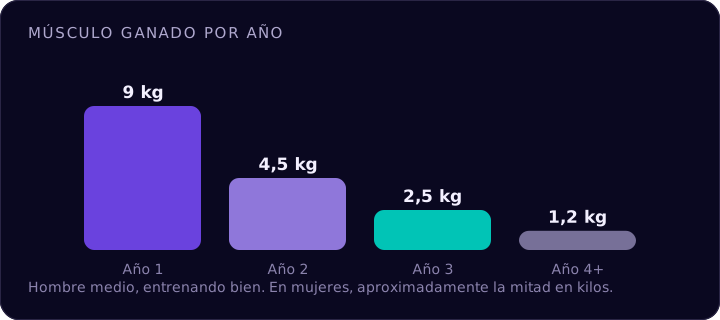
Lifting heavy does not make you look masculine. The muscle a person can gain naturally in a year is measured in a handful of kilos, with effort and eating for it. What heavy weight does is change how clothes fit, not hand you a body you did not ask for.
More on Hypertrophy
How many sets a muscle needs per week
The number that decides whether you grow. Not four, not forty.
Close to failure, not always to failure
What RIR is, why you leave one or two reps in the tank, and when to push.
Progress without stalling: double progression
When to add weight, when to add reps, and why not both at once.
How long to rest between sets
Two minutes is not a quirk: it is the reps on your next set.
Once a week per muscle is not enough
Why splitting your volume over two or three days beats one hammering.
Protein: how much and how to spread it
The daily total is what matters. The exact timing, far less than you hear.
This is general information written from the training literature, not medical advice or a personalised plan. If you take medication, have a health condition or something genuinely hurts, the person to ask is a healthcare professional.