
What age can you start lifting?
Earlier than the legend says, and with less danger than the story suggests.
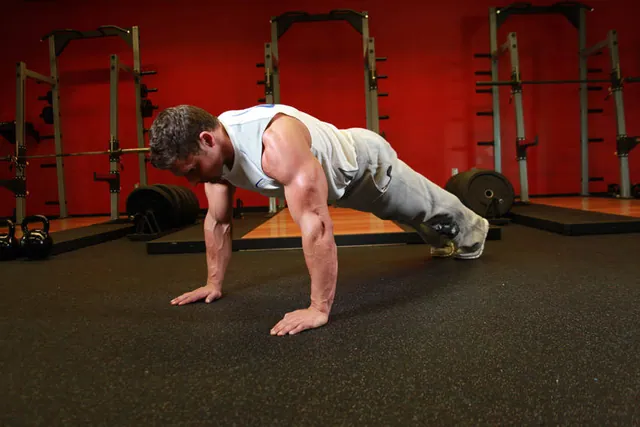
The “it stunts your growth” thing
There is no evidence that lifting weights limits an adolescent's height. What there is: reviews of strength training in children and teenagers with supervision and reasonable technique, where the results are more strength, better bone density and fewer injuries in whatever sport they play. The real risk is maximal load without supervision, not the weights.
Before puberty
A lot of strength arrives and almost no size: the change is in the nervous system, not the muscle, because the hormones that build tissue are not there yet. So the sensible approach is learning the movements with light weight and plenty of controlled reps — treat it like learning to ride a bike.
Through the teens
From puberty on, muscle responds for real, and it is the best window to build a base. Two or three sessions a week, compounds with a weight that allows clean technique, and no hurry to test maxes.
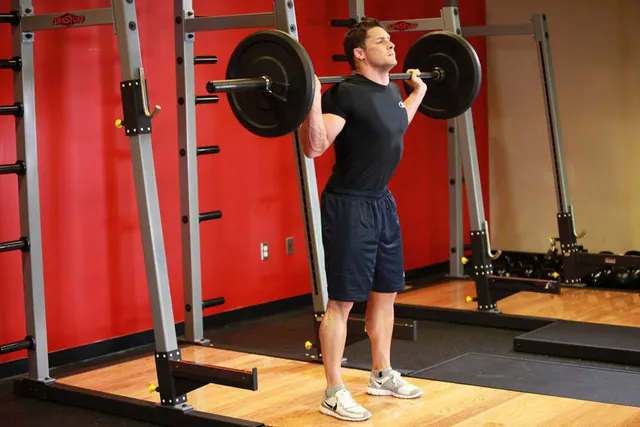
And at the other end
There is no upper limit: starting at fifty or seventy still buys strength and mass, with slower progress and more recovery days needed. The difference from being twenty is not whether it works, it is how long it takes to notice.
More on Hypertrophy
How many sets a muscle needs per week
The number that decides whether you grow. Not four, not forty.
Close to failure, not always to failure
What RIR is, why you leave one or two reps in the tank, and when to push.
Progress without stalling: double progression
When to add weight, when to add reps, and why not both at once.
How long to rest between sets
Two minutes is not a quirk: it is the reps on your next set.
Once a week per muscle is not enough
Why splitting your volume over two or three days beats one hammering.
Protein: how much and how to spread it
The daily total is what matters. The exact timing, far less than you hear.
This is general information written from the training literature, not medical advice or a personalised plan. If you take medication, have a health condition or something genuinely hurts, the person to ask is a healthcare professional.