
Muscle is built while you sleep
Training is the signal; sleep is when the work actually gets done.
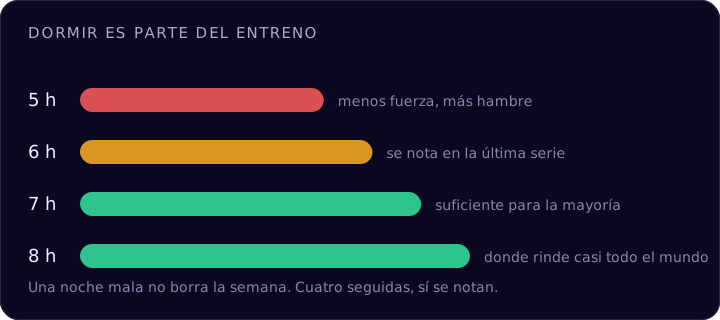
What short nights do
Repeated short nights lower strength, raise perceived effort (the same weight feels heavier) and blunt recovery. In sleep-restriction studies run in a calorie deficit, the share of lost weight that was muscle went up considerably. This is not a detail: it is the difference between training and grinding yourself down.
How much, and what if you can't
Seven to eight hours is the reference. If you have small kids, shift work or a rough stretch, willpower will not fix it: drop volume for a few weeks instead of holding the plan together with coffee. Fewer good sets while rested beat the full plan half asleep.
What actually helps
A roughly fixed bedtime, a dark cool room, and caffeine well away from the evening: its half-life is around five hours, so a 6 pm coffee is still working at midnight.
More on Recovery and niggles
Soreness or injury: when to keep going and when to stop
Telling soreness from a warning, and what to do with each.
The deload week: when and how
Not a holiday and not a magazine fad. It is lowering the dose so the next one works again.
How long a muscle takes to recover
One to three days, depending on what you did to it. Soreness is not the clock.
Shoulders: warming up the cuff without wasting the day
Four small muscles holding the most mobile joint in the body. Two sets are enough.
This is general information written from the training literature, not medical advice or a personalised plan. If you take medication, have a health condition or something genuinely hurts, the person to ask is a healthcare professional.