
Soreness or injury: when to keep going and when to stop
Telling soreness from a warning, and what to do with each.
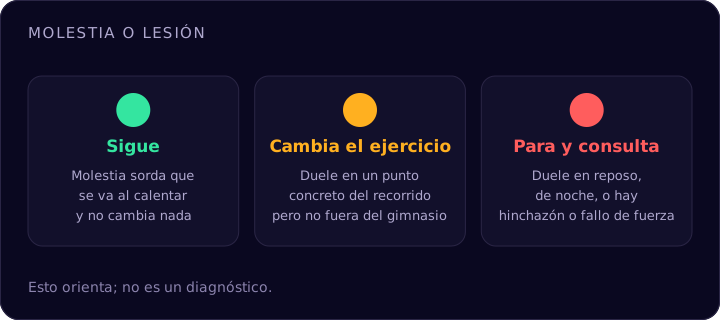
Soreness
It shows up 12 to 48 hours later, it is diffuse, it hits both sides evenly and it eases once you warm up. It is not a sign of a good session or of anything else: brutal workouts can leave none, and a new exercise can leave you limping for three days. You can train with soreness.
A warning
Sharp pain you can point at with one finger, in a joint, showing up on one specific movement and not easing with warm-up. That one you do not push through. Swap the exercise for one that does not trigger it, drop the load and give it a week or two: most things caught early sort themselves out.
When to see a doctor
Pain that does not settle in two or three weeks, that wakes you at night, that comes with swelling, clear loss of strength or pins and needles. No loading scheme helps there, and an app helps even less: that is for a professional to look at.
More on Recovery and niggles
Muscle is built while you sleep
Training is the signal; sleep is when the work actually gets done.
The deload week: when and how
Not a holiday and not a magazine fad. It is lowering the dose so the next one works again.
How long a muscle takes to recover
One to three days, depending on what you did to it. Soreness is not the clock.
Shoulders: warming up the cuff without wasting the day
Four small muscles holding the most mobile joint in the body. Two sets are enough.
This is general information written from the training literature, not medical advice or a personalised plan. If you take medication, have a health condition or something genuinely hurts, the person to ask is a healthcare professional.