
How long a muscle takes to recover
One to three days, depending on what you did to it. Soreness is not the clock.
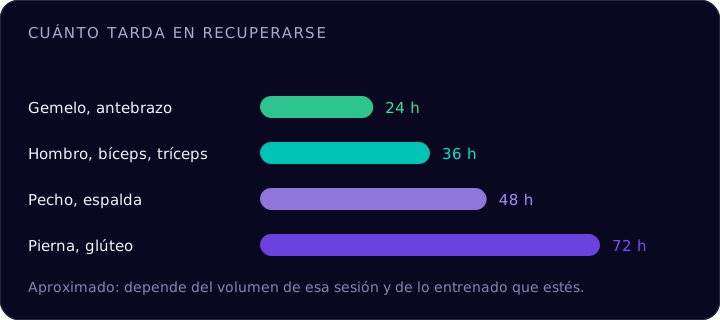
The timelines, briefly
After a normal session, the ability to perform comes back in 24-48 hours for small muscles and 48-72 for big ones, or for anything taken to failure with a lot of eccentric range. Which is why frequency two per muscle fits into a week without miracles.
Soreness measures nothing
Delayed muscle soreness shows up when a stimulus is new or very eccentric, and it can last three days with no drop in strength. And the reverse: you can be pain-free with your strength on the floor. What does inform you is performance: if last week's weight feels impossible, you have not recovered.
What actually speeds it up
Sleeping, eating enough protein, and not overshooting volume. Nothing else comes close. Massage, cold and foam rollers can make you feel better, which is not nothing, but they do not fix a week with too many sets.
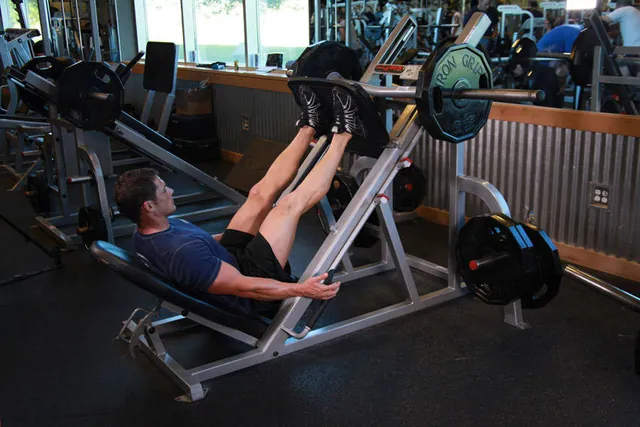
Training while sore
You can, if the range is normal and the strength is there. If you have to change your technique to finish the set, that muscle is not ready: train another one and come back tomorrow.
More on Recovery and niggles
Muscle is built while you sleep
Training is the signal; sleep is when the work actually gets done.
Soreness or injury: when to keep going and when to stop
Telling soreness from a warning, and what to do with each.
The deload week: when and how
Not a holiday and not a magazine fad. It is lowering the dose so the next one works again.
Shoulders: warming up the cuff without wasting the day
Four small muscles holding the most mobile joint in the body. Two sets are enough.
This is general information written from the training literature, not medical advice or a personalised plan. If you take medication, have a health condition or something genuinely hurts, the person to ask is a healthcare professional.